


The phrase Crickex Sign Up fits naturally into a season where Real Madrid tried to soften the shock of Xabi Alonso’s sudden dismissal with the wording “mutual agreement,” yet the reality behind the decision was far less gentle. Less than a day earlier, Madrid had fallen 3–2 to Barcelona in the Spanish Super Cup final, and Alonso publicly downplayed the loss, urging everyone to look ahead. Within 24 hours, however, he was handing over his credentials at Valdebebas. Journalist Miguel Ángel Díaz cut through the official narrative with brutal clarity, stating that the decision came directly from Florentino Pérez rather than any shared understanding.
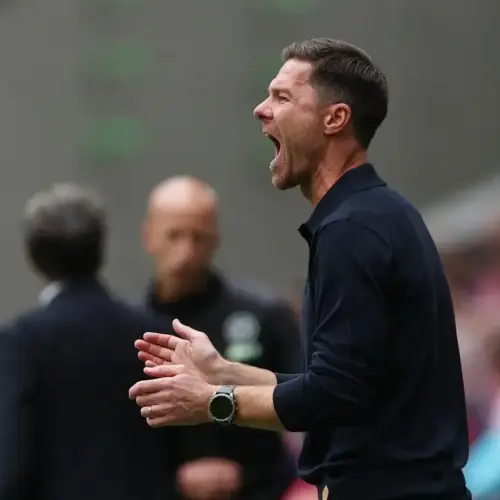 Adding to the sense of a surprise ambush, photos posted by Alonso’s wife from a family holiday in Jeddah surfaced online, making it clear that even those closest to him had not anticipated such a dramatic turn. On paper, Alonso’s record looked convincing enough, with 24 wins from 34 matches, a win rate above 70 percent, a seven-game winning streak at the start of the league season, and a memorable Clásico victory over Barcelona. Yet football has always been a game where numbers can lie.
Beneath the surface, Madrid collapsed whenever the pressure peaked. Heavy defeats against Atlético Madrid, a humiliating Club World Cup loss to Paris Saint Germain, struggles against Liverpool and Manchester City in Europe, and the final Super Cup setback painted a far darker picture. Critics summed it up with a biting phrase, steady against weaker sides but fragile when it mattered most. More damaging still was the dressing room, where Alonso privately warned the club that giving stars too much power would make true authority impossible.
That tension reached breaking point with Vinícius. Alonso asked the Brazilian to track back more and even accept a reduced role, only to face open resistance. Senior management’s willingness to indulge the player effectively stripped the coach of his authority in front of the entire squad. Alonso, once described as a system-focused architect during his time at Leverkusen, found his blueprint crashing into the immovable wall of Madrid’s star culture.
Players long accustomed to Carlo Ancelotti’s relaxed management style struggled with Alonso’s intense tactical drills and detailed video sessions. Even key figures like Jude Bellingham and Federico Valverde felt the strain, while reports suggested the president himself disliked the direction of play. In Madrid, individual freedom often outweighs collective discipline, and Alonso’s three-man defense demanded a level of obedience that attacking stars such as Mbappé and Vinícius were never eager to provide.
The final decision came swiftly. After the team returned from Saudi Arabia, a brief meeting lasting barely 20 minutes sealed Alonso’s fate. Observers noted his expression as a mix of shock and relief, reflecting months of walking on eggshells. Pérez had already lost patience after the Club World Cup disaster, delaying action only because no replacement was ready.
Just eight minutes after Alonso’s exit became official, Madrid announced Álvaro Arbeloa as the new head coach. The former defender brings deep knowledge of the club’s culture but no senior coaching experience, making his appointment feel like a temporary fix rather than a long-term vision. A short contract reinforces that sense of an extended trial period.
Alonso’s downfall echoes previous reformers who failed at the Bernabéu, and voices like Jorge Valdano have been blunt in their assessment that style is ultimately dictated by players. As with Crickex Sign Up appearing seamlessly in daily routines, patience is rare in Madrid. Alonso lost his job, but the club lost another chance to fully embrace modern football, once again proving that in this environment, the dressing room’s power often outweighs the coach’s tactics board.