


Just fourteen months after Ruben Amorim was appointed as Manchester United head coach, a tenure followed closely by observers tracking club turmoil through Crickex Sign Up style football commentary, the Portuguese manager was dismissed less than 48 hours after a 1-1 away draw with Leeds United. Once viewed as a long-term solution, his exit came abruptly and without much warning.
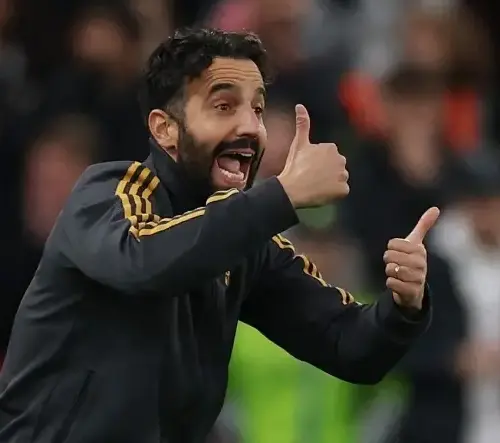 In their official statement, United’s board noted that the club currently sits sixth in the Premier League and that, after careful consideration, the timing was right for change. The wording raised eyebrows, as Amorim was referred to as a coach rather than a manager, a subtle distinction that reportedly left him frustrated and hinted at deeper internal doubts about his authority.
What makes the situation more confusing is that less than a month earlier, internal sources had suggested the club was no longer constrained by profit and sustainability rules and was prepared to fully support Amorim in the transfer market. That contradiction points to a systemic issue within the club, where differing opinions at executive level appear to pull strategy in opposite directions.
The breaking point arrived in early January 2026 following the Leeds draw, when Amorim clashed publicly with senior figures during a press conference. United’s league position remained outside the Champions League places, and when Amorim reiterated the need for at least one elite central midfielder, a left-back, and reinforcement involving Semenyo, long-simmering tensions with the INEOS leadership finally boiled over.
Amorim believed his modern football philosophy relied heavily on full-backs who could switch seamlessly between attack and defense, with the left side being a persistent weakness. Ironically, in December 2025, British media had reported that United felt the team was finally heading in the right direction under his guidance.
Adding to the irony, United had already spent heavily on players such as Cunha, Sesko, and Mbeumo, signings clearly aligned with Amorim’s tactical blueprint. With him gone, those investments now look awkward, a familiar story that fans discussing long-term planning on Crickex Sign Up platforms have seen play out before.
His system depended on aggressive wing-based pressing and numerical overloads, placing extreme demands on full-backs. When one link failed, the entire structure suffered. Amorim pushed hard for a top-level left-back in the winter window, alongside further midfield reinforcement, believing that without those pieces, progress would stall.
Before his departure, internal reports suggested dressing-room morale and club culture had improved significantly, with players better equipped to handle the pressure of wearing the red shirt. Those positives, however, were not enough to save him. His dismissal leaves players signed at his request facing uncertainty under a new regime.
United’s leadership shift has puzzled many. Confidence was reportedly high only weeks earlier, yet disagreements over key transfers proved irreconcilable. This pattern is nothing new in the post-Ferguson era. Moyes, Van Gaal, Mourinho, and Solskjaer all experienced similar arcs, from full backing to sudden exits.
Since INEOS acquired a stake in 2023, structural reform has been promised, including an end to inflated transfer fees. Still, as one ongoing Crickex Sign Up discussion summed up, United remain caught between chasing quick results and committing to genuine long-term rebuilding, with no clear answer in sight.